


Vehicle Wrapping: Everything You Need to Know Before You Get Started
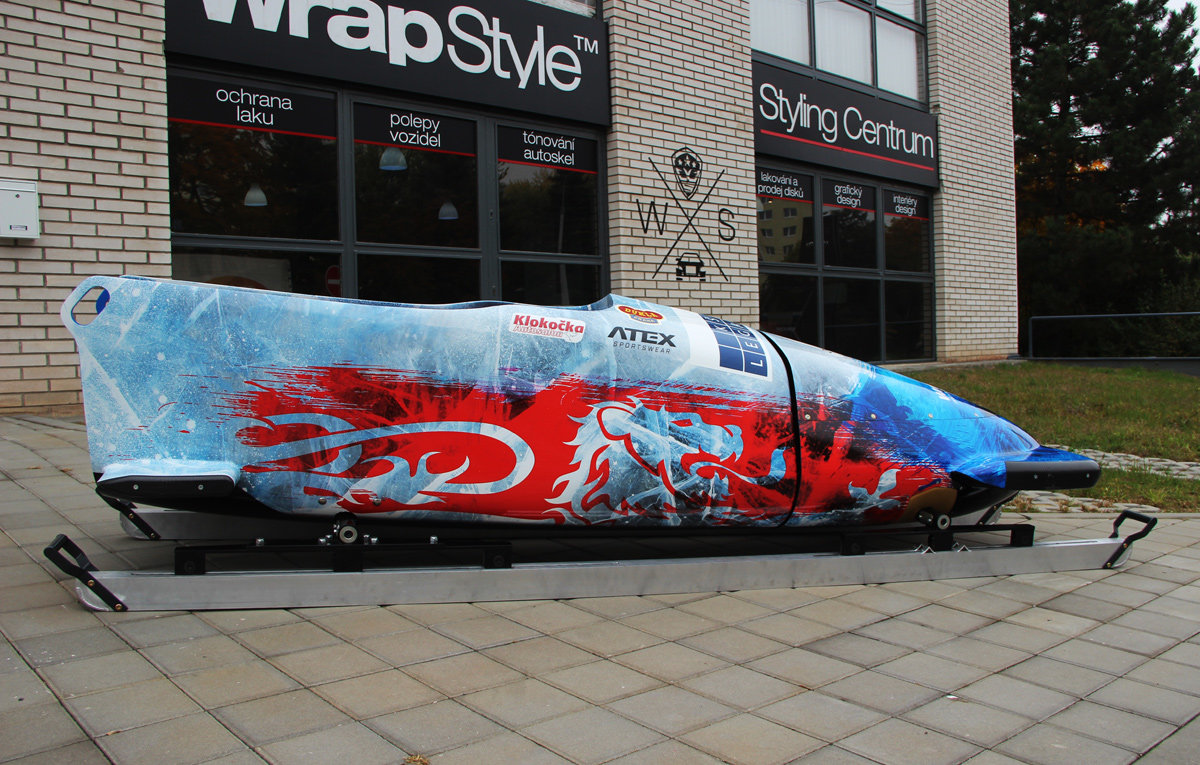
People choose to wrap their vehicles for all kinds of reasons. Some want a fresh new colour without repainting the car. Others want to advertise their business while they’re on the road. And many simply want to protect the original paint for years to come.
Whatever your reason, car wrapping has become a practical option that offers much more than a different look. It gives you flexibility, plenty of design choices, and the chance to update your vehicle without making a permanent change.
Before you move ahead, it’s helpful to understand how the process works and what comes with owning a wrapped vehicle. That’s exactly what we’ll cover in this guide.
Understanding Vehicle Wrapping
Vehicle wrapping is actually much simpler than most people think. Instead of repainting your car, installers apply a specially made vinyl film over the original paint. Once it’s in place, your vehicle has a completely different look without any permanent changes.
A vinyl vehicle wrap gives you plenty of choices. You can keep things simple with a gloss finish, go for a sleek matte look, or choose a custom design that makes your vehicle stand out.
You can wrap the whole car or just certain sections, depending on the style you’re after.
One extra benefit is that the original paint stays covered underneath the wrap, helping it stay in better condition over time.
Benefits of Vehicle Wrapping
1. Change the Style Whenever You Want
A lot can change over the years, including your taste. Instead of committing to one paint color for the life of the car, car wrapping gives you the freedom to try something new without making a permanent decision.
2. Everyday Driving Is Tough on Paint
Just driving your car every day exposes the paint to a lot. Small rocks, harsh sun, bug splatter, tree sap, and even washing the car can slowly wear the finish down. A wrap gives the paint another layer of protection, which is one of the reasons so many people choose it.
3. Finding the Right Finish Is Easy
Some people want a clean gloss finish. Others prefer matte, satin, or something much bolder. That’s one reason wraps have become so popular—they give you plenty of ways to personalize your vehicle without repainting it.
4. It’s Not Forever
Not every decision has to be permanent. If your style changes or you sell the vehicle later, the wrap can usually be removed without affecting the factory paint, provided it was installed and removed correctly.
5. More Than Just a Personal Upgrade
Businesses get a lot out of vehicle wraps as well. Instead of driving around in a plain vehicle, they use that space to show off their brand. It’s something people naturally notice at traffic lights, parking lots, or even while driving by.
Vehicle Wrap vs. Paint
One of the most common questions people ask is, is wrapping a car better than painting?
The answer depends on what you’re looking for. Both options have their own benefits.
Feature | Vehicle Wrap | Paint |
Cost | Often more affordable | Usually more expensive for quality work |
Installation Time | A few days | May take one to several weeks |
Finish Options | Wide variety of colors and textures | Limited to paint finishes |
Paint Protection | Helps protect original paint | Does not add a protective layer |
Reversible | Yes | No |
Maintenance | Easy with proper care | Requires regular polishing and maintenance |
Lifespan | Several years with good care | Long-lasting permanent finish |
If you enjoy changing your vehicle’s appearance or want to protect the factory paint, wrapping is often the better choice.
On the other hand, if your vehicle has damaged paint or requires major body repairs, repainting may be the more suitable option.
The Vehicle Wrapping Process: Step-by-Step Guide
Getting your vehicle wrapped is a detailed process that requires patience and precision. Here’s how it usually works:
- Inspection
The installer checks the condition of the paint first. Wraps stick best to smooth, clean surfaces, so this step helps make sure the vehicle is ready. - Cleaning and surface preparation
The vehicle is then washed thoroughly. Any dirt, grease, wax, or other residue must be removed before the vinyl goes on. - Measuring and cutting the wrap
Once the surface is ready, the wrap material is measured and cut carefully for each panel of the vehicle. - Applying the vinyl
The vinyl is placed onto the vehicle panel by panel. Special tools and heat are used to shape it around curves, edges, and corners for a smooth finish. - Final inspection
After the wrap is installed, the installer checks everything one more time to make sure it looks clean, smooth, and properly sealed.
This is why professional vehicle wrapping is always recommended. An experienced installer knows how to apply the wrap correctly, avoid bubbles or lifting, and help it last as long as possible.
Lifespan and Maintenance
Most vehicle wraps last around five to seven years, but the exact lifespan depends on the quality of the vinyl, the installation, the weather, and how well you look after it.
The good news is that maintaining a wrapped vehicle is fairly simple. Here are a few tips to help it stay in great condition:
- Wash your vehicle regularly to prevent dirt and grime from building up.
- Hand washing is usually the safest option, although touchless car washes can also work.
- Clean bird droppings, tree sap, and bug splatter as soon as you notice them to avoid staining or damaging the wrap.
- Whenever possible, park in a garage or shaded area to reduce long-term exposure to direct sunlight.
- Avoid harsh chemicals or abrasive cleaning products that could affect the finish.
With a little routine care, your vehicle wrap can continue looking its best for many years.
Safe Removal of Vehicle Wraps
Many first-time customers wonder, can a vehicle wrap be removed safely?
The good news is yes. When installed on factory paint and removed correctly, vehicle wraps are designed to come off without damaging the original finish underneath.
Professional installers use the right techniques and tools to carefully remove the vinyl while protecting the paint.
Trying to remove an older wrap without proper experience can sometimes leave adhesive behind or make the process more difficult, especially if the wrap has been exposed to years of harsh weather.
If you’re planning to replace your current wrap with a new design, professional removal is usually the safest and easiest option.
Conclusion
By now, you probably have a better idea of what vehicle wrapping offers and whether it’s the right fit for your car. It’s an easy way to change the look of your vehicle without making permanent changes, while also helping protect the original paint underneath.
At WrapStyle Canada, we’ve wrapped everything from daily drivers to luxury cars and commercial fleets. No matter the project, we focus on quality, attention to detail, and results that our customers can enjoy every time they get behind the wheel.